


Some destinations in the Aegean stand out by bringing completely different atmospheres together within a short distance. Ephesus and Şirince are among the region’s most distinctive routes, allowing you to walk along the marble streets of an ancient city in the morning and slow down just a few hours later in a historic village surrounded by olive groves and fruit orchards. Despite being located close to one another, these two destinations offer remarkably different rhythms.
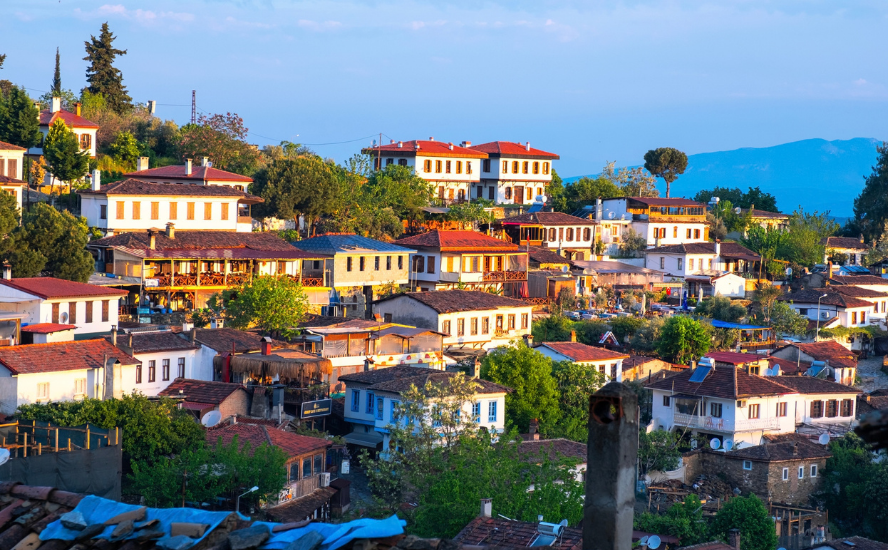
While Ephesus invites you on a long journey through history with its impressive scale and monumental structures, Şirince offers a more leisurely end to the day with its wooden houses scattered across the hillsides, narrow streets and local flavours. When thousands of years of history meet Aegean cuisine, the result is a well-balanced route centred around culture and gastronomy. The region’s proximity to the Pamucak coast also creates an opportunity for those who want to combine cultural exploration with the sea and relaxation.
What Are the Best Places to Visit in Ephesus and Şirince?
One of the greatest advantages of exploring Ephesus and Şirince as part of the same itinerary is the opportunity to focus on different experiences at different times of the day. Visiting Ephesus in the morning makes walking more comfortable, particularly during warmer periods. In autumn and winter, starting early also allows you to make the most of the shorter days and dedicate the rest of the day to nearby destinations. In the afternoon and towards sunset, wandering through Şirince’s narrow streets is ideal for discovering local flavours and enjoying a peaceful break overlooking the surrounding landscape.
For this reason, a well-balanced itinerary could begin with Ephesus Ancient City in the morning and continue with Şirince during the second half of the day. While the walking route in Ephesus follows the city’s main avenues, the experience in Şirince becomes more colourful as you explore its side streets and make small detours.
Ephesus and Şirince Travel Route
Ephesus Ancient City
Ephesus Ancient City is one of Anatolia’s most important and most visited archaeological sites, with a layered history stretching from the Hellenistic period through the Roman Empire and into the early Christian era. The ruins that remain today offer an insight into the scale of social, commercial and public life in the ancient city. Although Ephesus now appears to be far from the sea, its urban layout, broad avenues and routes leading towards the harbour still reveal traces of its strong connection with the coast in antiquity.
As you walk through the city, you encounter different aspects of Roman urban life, from administrative buildings and public spaces to residences and baths. As the archaeological site is extensive, an Ephesus visit should not be planned simply as a short stop to see a few famous monuments. If you are visiting for the first time, allowing at least 2.5–3 hours is recommended. During summer, starting early in the morning can help you manage both the heat and the crowds more comfortably. A hat, water and comfortable walking shoes are particularly important on long summer days.
Library of Celsus
One of the most recognisable structures in Ephesus, the Library of Celsus dates back to the 2nd century AD. With its elaborately decorated two-storey façade, it is one of the most impressive architectural remains of the ancient city.
The library is also located at the intersection of several important landmarks, including Curetes Street, the Commercial Agora and the Terrace Houses, making it a natural focal point during your visit. You may want to spend a little extra time here to appreciate the architectural details and take photographs.
Great Theatre of Ephesus
With a capacity of approximately 25,000 people, the Great Theatre of Ephesus is one of the structures that best conveys the immense scale of the ancient city. Built into the hillside, its rows of seating and expansive stage area still reflect the theatre’s importance in the social life of Ephesus.
Stretching from the front of the theatre towards the harbour, Arcadiane, also known as Harbour Street, is one of the best places to understand Ephesus’s historic relationship with the sea. Once used by visitors arriving in the city from the harbour, this avenue helps bring the commercial and ceremonial character of ancient Ephesus to life.
Terrace Houses
While the monumental public buildings of Ephesus reflect the grandeur of the city, the Terrace Houses offer a closer look at everyday life. Located at the beginning of Curetes Street, these residences take their name from the way they were constructed in terraces. Once home to wealthy families during the Roman period, they feature frescoes, mosaics, marble surfaces and different residential layouts.
If you are interested in history and archaeology, spending around an hour here rather than passing through quickly can add considerably to your experience.
Şirince Village
As you travel from Ephesus to Şirince, the broad marble avenues give way to narrow streets winding up the hillsides. Located approximately 8 kilometres east of Selçuk, Şirince is one of the Aegean’s characteristic village settlements, surrounded by olive, almond and fruit trees and known for its historic two-storey houses and sloping streets. The village’s present-day identity reflects cultural layers from both before and after the population exchange. The stone houses, narrow streets and churches seen throughout the village are part of this history.
Rather than trying to reach specific points during your visit, taking time to explore the side streets offers a more authentic experience. Just a few streets away from the busy main market area, you can discover peaceful house façades, distinctive stone details and tranquil village views.
Places to Visit in Şirince
As Şirince is a relatively small settlement, much of the village centre can be explored on foot. The main market, streets lined with historic houses and churches form the essential stops to discover during the day.
Some of the main experiences to enjoy in the village include:
Walking through the sloping streets lined with historic houses.
Visiting St. John’s Church and its surroundings.
Leaving the main market behind and exploring the quieter side streets.
Browsing local shops selling olive oil, jams, soaps and other regional products.
Enjoying views of the surrounding valleys and orchards from the higher parts of the village.
Discovering local flavours over lunch or during a coffee break.
Şirince can be quite lively at weekends. If you prefer a quieter experience, weekdays or later hours of the day generally offer a more relaxed atmosphere. During winter, however, the early sunset means you may need to finish your visit earlier. If you are travelling by car, allowing some extra time for parking, particularly during busy periods, can also help you plan your day more comfortably.
What to Eat in Ephesus and Şirince?
As exploring Ephesus involves several hours of walking outdoors, leaving your main meal for Şirince can help create a more balanced pace for the day. Once you arrive in the village, you can enjoy a longer lunch or explore the streets first and sit down for a relaxed village meal later in the afternoon.
Local Flavours of Şirince
The food culture of Şirince reflects the agricultural diversity of the Aegean region. Vegetable dishes prepared with olive oil, Aegean herbs, homemade jams, village breakfasts and pastries are among the flavours you are likely to encounter. Grape cultivation is also one of Şirince’s long-standing local traditions.
As you explore the village, you will come across numerous local stalls and shops selling everything from handmade soaps to souvenirs. If you plan to shop, asking about production methods and ingredients can help you distinguish locally produced goods from mass-produced alternatives while gaining a closer understanding of the region’s culinary culture.
Highlights of Aegean Cuisine
The cuisine around Selçuk and Şirince reflects the vegetable- and olive-oil-focused character of Aegean cooking. Depending on the season, meals may include dishes made with local herbs, olive-oil preparations, salads and regional meze. After a warm day exploring Ephesus, choosing a lighter Aegean-style meal rather than a heavy dish can make it easier to continue enjoying the rest of the day.
Depending on the season, you may also come across dishes prepared with Aegean herbs such as şevketibostan, radika and wild fennel. The fact that menus change according to the season is one of the strongest characteristics of the region’s culinary culture.
Coffee and Leisure Breaks in Şirince
There is little reason to rush through Şirince. Much of the village’s charm comes from being able to pause from time to time during your walk. After exploring the streets, enjoying a Turkish coffee in a green garden or taking a short dessert break overlooking the scenery offers a relaxing transition after the more intensive cultural experience of Ephesus.
If you plan to finish your day in Şirince towards the late afternoon, you can explore some of the quieter venues away from the main market and choose sunset hours for photography.
How Long Does an Ephesus and Şirince Trip Take?
Ephesus and Şirince can be visited on the same day. You can dedicate the first part of the morning to Ephesus Ancient City, spend around three hours exploring the site, take a short break in Selçuk and continue to Şirince in the afternoon. Allowing 2–3 hours for Şirince is a comfortable starting point for most visitors.
If you have a particular interest in history and archaeology, allowing more time for Ephesus would be worthwhile. Once attractions such as the Terrace Houses, Ephesus Museum, Temple of Artemis, Ayasuluk Hill and the Basilica of St. John are added to the itinerary, the area can easily become a two-day cultural route. During summer, it is important not to leave your visit to Ephesus until the hottest hours of the day. If you would like to explore both destinations in greater detail or visit other historical sites around Selçuk, you can spread the itinerary over several days.
Located in Pamucak, Richmond Ephesus Resort is also a convenient accommodation option thanks to its proximity to the region’s key attractions. The resort is approximately 15 minutes from important sites such as Ephesus Ancient City and the Temple of Artemis, while Selçuk can be reached in around 10 minutes. Its convenient location makes it easy to visit Ephesus early in the morning or plan a Şirince itinerary via Selçuk. With its natural sandy beach, indoor and outdoor pools, spacious gardens and a variety of activity areas, Richmond Ephesus Resort can help create a more balanced combination of exploration and relaxation, particularly during stays of several days.
Frequently Asked Questions
Can Ephesus and Şirince be visited on the same day?
Yes. By starting your day early, you can visit Ephesus Ancient City in the morning and Şirince in the afternoon. However, if you would like to spend more time exploring additional sections such as the Terrace Houses, spreading the itinerary over two days may provide a more relaxed experience.
How long does it take to visit Ephesus Ancient City?
You can allow approximately 2.5–3 hours for the main route through Ephesus Ancient City. Once the Terrace Houses, museum areas and longer photography stops are included, the visit can take four hours or more.
What are the best places to visit in Şirince?
In Şirince, you can explore historic village houses, narrow streets, St. John’s Church, local product shops and elevated viewpoints overlooking the village. The village also offers enjoyable options for shopping, dining and coffee breaks.
How do you get from Ephesus to Şirince?
From Ephesus Ancient City, first head towards Selçuk and then follow the road to Şirince. Travelling by private car or taxi is particularly convenient. Minibus services from Selçuk to Şirince can also be considered.
What is the best season to visit Ephesus and Şirince?
Spring and autumn are among the most comfortable seasons for longer walks outdoors. During summer, visiting Ephesus early in the morning can be more comfortable in terms of temperature. In winter, both routes can be explored on dry days. Şirince’s quiet winter atmosphere offers a different experience from the other seasons.
Where should you stay when visiting Ephesus and Şirince?
The areas around Selçuk and Pamucak offer convenient access to both Ephesus Ancient City and Şirince. Located in Pamucak, Richmond Ephesus Resort is an accommodation option for those looking to combine cultural exploration with the sea, swimming pools and resort facilities.
