


Lists prepared days in advance for a vacation can sometimes start to resemble a work schedule and become exhausting after a while. Places that must be visited, recommended restaurants to try, hours set to catch the sunset, and dozens of to-do lists saved on social media… The thought of making the most of every single moment can inadvertently create a new hustle even on journeys taken to rest, stealing away from the relaxing effect of the vacation.
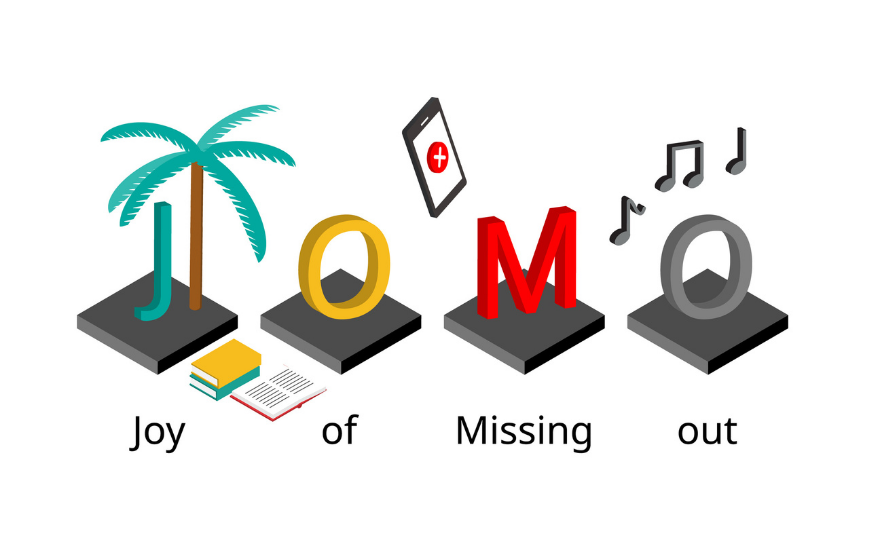
So, what if you didn't have to see everything during your vacation? If you woke up one morning without setting an alarm, spent the afternoon without rushing to catch any schedule, or consciously skipped a popular event around you, would your vacation really be incomplete? The JOMO approach, which has come to the forefront in travel habits in recent years, takes shape around precisely these questions. Placing personal rhythm at the center instead of intense plans, this mindset invites us to rethink why doing nothing on vacation is not a waste of time.
What Does JOMO Mean?
An acronym for the English phrase "Joy of Missing Out," JOMO refers to finding pleasure in missing out or not feeling anxious about things that are missed. The purpose of JOMO is to move away from the obligation to keep up with everything, enjoy the present moment, and be content with the chosen experience.
When thinking about "What does JOMO mean?" in terms of daily life, it covers not attending an invitation, turning off phone notifications, or not immediately filling free time with a new personal development plan. On vacation, it means focusing on a smaller number of conscious experiences rather than trying to see every single popular spot on a route.
Eliminating the compulsion to do everything, this philosophy is not about spending a vacation in total immobility either. It is about preventing a person from feeling forced to constantly engage in an activity, often due to pressure from their social environment. Once freed from the burden of external activities and plans, it becomes easier to shape the flow of the day according to personal energy and needs. Thus, vacation ceases to be a checklist of items to complete and transforms into a meaningful pause that genuinely rests the individual.
What is the Difference Between JOMO and FOMO?
Directly opposing the JOMO approach stands FOMO, an acronym for "Fear of Missing Out." Unlike JOMO, FOMO describes the anxiety of missing out that arises from the thought that others are having more fun, more productive, or more special experiences. Vacation posts, popular venue recommendations, or "must-do" lists encountered on social media feeds further intensify this feeling of missing out.
A person going on vacation under the influence of FOMO tries to see as many places as possible in a short time, getting exhausted just as quickly. The backbone of such a vacation plan usually consists of photo spots, famous restaurants, and a rigid schedule planned from morning till night. Even a few empty hours are perceived as unutilized time, yet the enjoyment derived from the vacation often falls below these expectations. A JOMO vacation, on the other hand, deals with personal needs and desires, independent of what everyone else is doing. Going to deserted coves, heading out for a spontaneous dinner without a reservation, or spending a whole day without leaving the hotel are not viewed as shortcomings. On the contrary, the choices being conscious and feeling good for the individual are more than enough.
What is a JOMO Vacation?
A JOMO vacation is a flexible form of travel where the itinerary is lightened, digital stimuli are reduced, and unplanned break intervals are left open. In this approach, what matters is not how many different places are visited and seen, but how the time spent actually feels. In a classic travel itinerary, a route that starts fast even early in the morning continues with various stops with limited breaks throughout the day. Although countless locations are seen all day long, because there is no time to pause and reflect for a moment, it is impossible to absorb the scenery or the emotion. In the JOMO mindset, a plan is made for only a portion of the day, or the decision is left open-ended to be reconsidered when the time comes. An extended breakfast, returning to the hotel after a short walk, or spending the afternoon by the pool are natural parts of the itinerary.
Closely related to the concepts of slow travel and digital detox, this approach fosters a calmer and deeper connection with the destination. Instead of rapidly consuming a region, it helps one notice its atmosphere, local texture, natural flavors, and daily rhythm.
What Are the Benefits of a JOMO Vacation?
Because the concept of time in daily life is evaluated through productivity, we feel as though even periods outside working hours must be filled with various activities. When this familiar mindset is carried over to vacation, doing nothing is perceived as wasting time. However, in a JOMO vacation plan where the schedule slows down, physical and mental boundaries expand. Offering a calmer and more restful experience instead of crowded sightseeing lists, the prominent benefits of this approach can be listed as follows:
Reduces Decision Fatigue: A reduction in decisions to be made during the day alleviates the pressure of constant planning and rushing to the next step, thereby reducing mental fatigue felt on vacation.
Promotes Physical and Mental Recovery: A lighter schedule makes room for sleep, peaceful meals, time spent by the pool, or long walks, helping the mind recover just as much as the body.
Facilitates Digital Detox: By eliminating the pressure to constantly check your phone, it makes a digital detox easier and allows you to notice surrounding details more. Thus, the vacation stops being just content to share and transforms into a genuinely lived, meaningful experience.
Builds Deeper Connections: It enables a calmer connection to be established with the place traveled, helping the vacation leave a more lasting impression in mind.
Deepens Relationships: Instead of constantly rushing somewhere, it opens up space for long conversations, silence, and shared moments of rest. As the pace of the vacation slows down, interpersonal connection and sharing become deeper.
Ensures a Smoother Transition Back: After heavily scheduled vacations, the need to rest again arises upon returning home. In the JOMO approach, because the vacation genuinely turns into a space for recovery, the transition back to daily routine becomes much smoother.
Doing nothing on vacation might feel unusual at first. However, waking up without setting an alarm, having a long breakfast, or watching the scenery for a while helps slow down the daily tempo. These empty spaces can offer a lasting transformation by making it easier for a person to realize their true needs in life.
How to Plan a JOMO Vacation?
No matter how flexible a JOMO trip is, it does not mean acting completely without a plan. Arranging transportation, accommodation, and basic reservations in advance is always beneficial. The main difference here is not trying to control every hour of the day and leaving room for flexible changes. If you don't know how to plan a JOMO vacation, you can follow these steps:
Stay longer in a single destination: Seeing multiple cities or regions in a short time can cause a significant part of the vacation to be spent on the road. Staying longer in a single destination reduces transportation stress, allowing you to get to know the environment without rushing and to dedicate some days entirely to rest.
Set one main plan per day: Choosing a single core activity for each day can prevent the schedule from becoming crowded. If you took a walk in the morning, you can leave the afternoon free and refrain from making any decisions until dinner. An important feature of the JOMO approach is not seeing it as a loss when a plan doesn't happen, but rather evaluating the available options at hand.
Turn off notifications and reduce screen time: For a digital detox, you don't need to turn off your phone completely. Not checking work emails, muting social media notifications, or remaining entirely offline at certain hours of the day can be sufficient. Putting the phone back in your bag after taking a photo helps you establish an easier balance between capturing the vacation and living it.
Choose a comfortable hotel: On a JOMO vacation, the hotel is a living space where a significant portion of the day is spent. Therefore, room comfort, scenery, food and beverage options, spa facilities, and outdoor amenities are at the heart of this experience. An accommodation option with advanced amenities that doesn't make you feel forced to go outside makes it easier to turn inward by keeping the itinerary simple. Views of the sea, lake, garden, or nature at the accommodation also help create a serene atmosphere where long periods of time can be enjoyed peacefully.
Plan Your JOMO Vacation with Richmond Hotels
People who have an intense work pace, remain constantly online, or return from vacations feeling exhausted can benefit greatly from the JOMO approach. If you frequently switch between daily tasks and live at a high tempo, you can achieve a more relaxing vacation experience by selecting a hotel that allows you to make fewer decisions over a few days.
By exploring options at Richmond Hotels across different destinations, you can create a tranquil vacation plan to slow down your daily tempo and make space for your body and mind. Ranging from Richmond Nua Wellness-Spa on the shores of Lake Sapanca to the Aegean coasts, thermal experiences, or a comfortable stay in the city, Richmond Hotels help you rest without turning your vacation into a heavy schedule. Accompanied by comfortable rooms, spacious relaxation and spa areas, and an atmosphere immersed in nature, you can tailor the JOMO approach to your own rhythm.
