


One of the strongest impressions of the Aegean is its scent. Wild thyme growing on mountain slopes, sage leaves dried in homes, bay leaves combined with olive oil, bunches of herbs sold in local markets and lavender carried by the summer breeze all form part of the foundation of the Aegean’s famous food culture.
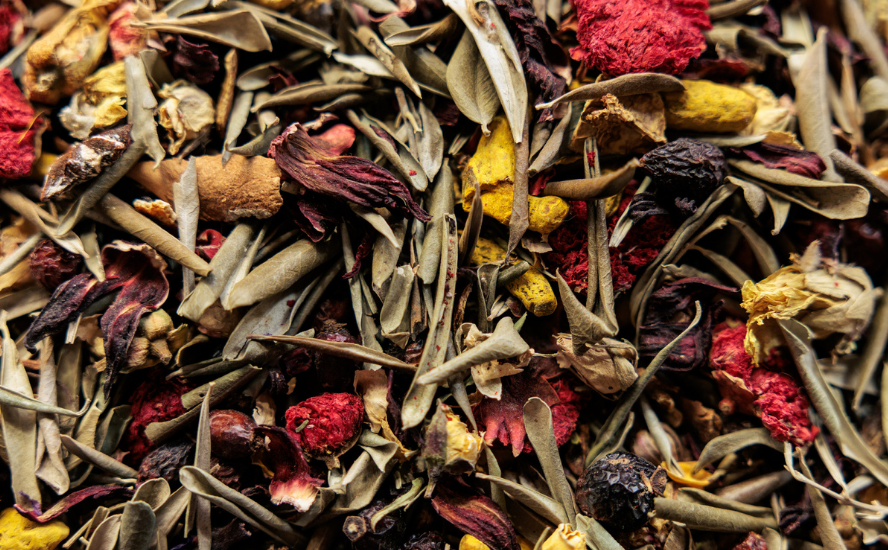
The healing herbs of the Aegean represent a rich heritage that should be considered together with thousands of years of traditional use, food culture, personal care habits and well-being practices. Since ancient times, plants have played a role in many aspects of life in the region, from nutrition and fragrance to purification, personal care, rituals and everyday recipes.
Today, the richness associated with Aegean herbs cannot simply be reduced to a nostalgic story from the past. The region’s climate, warm sunshine, cool sea breezes, rocky slopes and diverse coastal and mountain ecosystems create a natural environment that is ideal for aromatic plants. For this reason, the Aegean’s plant culture remains a living heritage, closely connected to nature routes, local cuisine, healthy living practices and the slow holiday experience.
Why Is the Aegean So Rich in Healing Herbs?
The Aegean region is rich in aromatic plants thanks to the influence of the Mediterranean climate and its varied geography. Hot, dry summers, mild winters, sunny hillsides, rocky slopes, maquis vegetation and rural landscapes surrounded by olive groves create suitable conditions for a wide variety of plants such as thyme, sage, bay leaf, lavender and rosemary.
Most of these plants are known for their hardy nature. They can survive with little water, thrive in sunlight, have distinctive aromas and often grow naturally with little intervention. When walking along a village road in the Aegean, the scent of thyme carried by the wind, sage growing beside stone walls or wild herbs appearing among olive trees are everyday examples of this natural richness.
The main factors contributing to the diversity of healing herbs in the Aegean can be summarized as follows:
The Mediterranean climate providing suitable conditions for aromatic plants
The coexistence of mountain, coastal, plain, maquis and olive grove ecosystems
The long-standing use of plants in food, personal care and well-being culture
Local markets and village production helping preserve plant diversity
A strong food tradition shaped by olive oil, herb-based dishes and herbal teas
Nature-based ways of living that extend from ancient times to the present
This diversity takes Aegean herbs beyond botanical richness. Each plant carries traces of the soil where it grows, the season, local production culture and the relationship people have developed with it.
The Most Prominent Healing Herbs of the Aegean
When talking about Aegean herbs, it is important to recognize the region’s wide variety. Wild herbs used in cooking, aromatic plants used in herbal infusions, and plants associated with traditional personal care and fragrance all form different parts of the same cultural heritage.
Some of the best-known healing herbs in the Aegean include:
Thyme
Sage
Bay leaf
Rosemary
Lavender
Linden
Olive leaf
Fennel
Lemon balm
St. John’s wort
Mint
Zahter
Mallow
Nettle
Salsify
Dandelion greens
Wild fennel
Sea purslane
Some of these plants are used directly in cooking, while others are dried and stored. Some are infused in hot water, some are combined with olive oil, while others are used for their aroma and fragrance in living spaces. In the Aegean, plants have different roles within cooking, seasonal preparations, hospitality, personal care and relaxation traditions.
The Role of Healing Herbs in Aegean Cuisine
One of the best ways to understand the plant culture of the Aegean is to look at an everyday table. In this region, healing herbs are an integral part of daily food culture. Herbs bought from local markets, vegetables cooked with olive oil, greens seasoned with lemon, wild herbs served with yogurt and aromatic mixtures accompanying breakfast all contribute to the rich and healthy character of the Aegean table.
Herbs in Aegean cuisine are generally prepared using simple techniques. This simplicity allows the natural taste, aroma and seasonal character of each plant to stand out while enriching the overall flavor of the dish. Herbs such as salsify, dandelion greens, mallow, nettle, wild fennel, wild radish and sea purslane are sautéed, added to breakfast dishes with eggs, boiled or served with olive oil, lemon, garlic and yogurt.
Aromatic plants are used not only to add flavor but also to bring fragrance and a sense of memory to food. Thyme, mint, bay leaf, rosemary and fennel play a supporting role in many recipes, from meat and vegetable dishes to olive oil-based meals, soups and winter preserves. Fresh thyme sprinkled over an olive oil-based dish, vegetables cooked with bay leaves or a yogurt-based recipe refreshed with mint all reflect the simple yet deeply flavorful character of Aegean cuisine.
For this reason, the healing herbs of the Aegean are closely connected to food culture as much as they are to well-being practices. Plants do not exist here as a separate category. Instead, they continue to live naturally within the seasons, local production, market traditions and thousands of years of culinary rituals.
The Tradition of Thyme, Sage and Bay Leaf
Thyme is one of the most characteristic scents of the Aegean. Growing on mountain slopes, rocky areas and sunny landscapes, it is widely used to add flavor to food and can be dried and stored throughout the year. In Aegean cuisine, thyme is a familiar accompaniment to meat, vegetables, olive oil-based dishes and breakfast mixtures. Even a simple plate of tomatoes, cucumbers or olives served at breakfast can take on a completely different depth with a sprinkle of thyme.
Sage is known in the Aegean for its strong connection with the tradition of herbal infusions. Its dried leaves are used in winter preparations, household traditions and when serving guests. Consumed as a warm drink during cooler weather, sage is associated with a sense of calm and relaxation in homes thanks to its refreshing aroma.
Bay leaf has a special place in the Aegean’s culinary and personal care culture. Its leaves are used as a flavoring ingredient in cooking. Particularly in olive oil-based dishes and fish recipes, bay leaf adds depth through both its aroma and flavor. It is also associated with soap-making and natural personal care traditions. Linked with purification, value and elegance since ancient times, bay leaf remains one of the plants that best represents the natural character of the Aegean.
The Herbal Heritage of Olives and Olive Oil
Olives deserve a special place when discussing the plant culture of the Aegean. In this region, the olive tree represents much more than agricultural production. One of the strongest symbols shaping the table, personal care traditions, seasonal cycles and rural landscape, the olive tree is a cultural carrier in its own right and reflects one of the most visible ways in which the region has influenced everyday life.
Olive oil, a cornerstone of Aegean cuisine, is the main ingredient defining the flavor and texture of countless recipes, from herb-based dishes and vegetables to breakfast tables and salads. The tradition of cooking with olive oil is one of the clearest examples of the relationship between people and plants in the Aegean. Olive oil allows ingredients to be prepared without making them too heavy while preserving their natural seasonal flavors.
Olive leaves also have a special place in traditional practices. They can be dried and stored or used as part of herbal infusion traditions. Stone houses, coastal towns, village roads and hillsides are often imagined together with olive trees. For this reason, olives and olive oil create a strong connection between nature, cuisine and culture within the story of the Aegean’s healing herbs.
Herbal Traditions from Ancient Times to the Present
Plants have been an important part of everyday life in the Aegean since ancient times. When considering ancient settlements, coastal cities, temples, bath culture and marketplaces, it becomes clear that plants were associated not only with nutrition but also with fragrance, purification, personal care, rituals and well-being practices.
Over time, these traditions found their way into homes, village markets, kitchens and local recipes. Drying herbs collected during summer, storing them for winter, preparing herbal teas, combining natural ingredients with olive oil, and making soaps and personal care products are among the continuing traces of this culture.
Herbal traditions in the Aegean can be seen in the following areas:
As ingredients that add aroma and flavor to food
In herbal tea and infusion traditions
In personal care practices involving olive oil
In soap, fragrance and cleansing traditions
In seasonal drying and storage practices
In village markets and local production culture
In bath, spa and purification rituals
The renewed interest in these traditions today is also connected to the search for a simpler lifestyle that is closer to nature. When the Aegean’s herbal heritage meets the modern understanding of well-being, it creates a rich experience that connects both the past and the present.
Things to Consider When Using Healing Herbs
Because healing herbs are natural, they are often perceived as completely harmless. However, plants also contain active compounds, and not every plant is suitable for everyone. People who regularly take medication, are pregnant or breastfeeding, have chronic health conditions or have allergies should approach herbal products with caution.
Traditional knowledge is valuable, but consulting a professional before using herbs for therapeutic purposes is recommended. Herbal teas, oils, supplements and concentrated herbal mixtures may cause unwanted effects when used improperly. For this reason, it is important to approach the Aegean’s herbal heritage in a moderate, balanced and informed way.
When using herbs, consider the following:
Choose products from reliable sources.
Avoid consuming herbs in excessive amounts.
Consult a professional if you regularly take medication.
Be particularly cautious with herbal products during pregnancy and breastfeeding.
Try new herbs in small amounts to reduce the risk of an allergic reaction.
Do not consider herbs as definitive alternatives to medical treatment.
Store dried herbs in a cool, dry place away from direct sunlight.
This approach helps preserve traditional knowledge while allowing herbs to remain a safe and meaningful part of everyday life.
Discover the Herbal Heritage of the Aegean with Richmond Ephesus Resort
The healing herbs of the Aegean and their traditional uses add new layers to the holiday experience, bringing together the sea, sun, cuisine, history and nature of the region. Olive groves, aromatic plants, local markets, Aegean cuisine and ancient city routes offer a rich area of discovery for those who want to experience the region’s relationship with nature more closely.
With its location close to the natural and cultural heritage of the Aegean, Richmond Ephesus Resort offers a comfortable starting point for those who want to explore the region at a slower pace. Located on Pamucak Beach, the resort is close to Ephesus Ancient City, Şirince, Selçuk and surrounding local routes, allowing a holiday itinerary to go beyond the coastal experience. It offers the opportunity to experience the history, cuisine, plant culture and slow rhythm of life of the Aegean within the same journey.
Exploring ancient cities during the day, discovering Aegean herbs at local markets, tasting olive oil-based dishes and relaxing by the sea in the evening can make the region’s thousands-of-years-old herbal heritage more tangible. Staying at Richmond Ephesus Resort transforms this discovery into a comfortable holiday experience, bringing together the Aegean’s culture of nature, history, cuisine and well-being in one journey.
