


Sometimes, all it takes to plan a few days away in winter is a good excuse. Christmas market season offers just that: squares illuminated with festive lights, the scent of warm drinks drifting through the streets, and cities glowing with colour after dark. Better still, you do not necessarily need to travel to a Schengen country to enjoy it. Across the Balkans and the Caucasus, several destinations that Turkish citizens can visit without a visa celebrate December with decorated squares, open-air events, and festive markets showcasing local flavours.
The real pleasure lies not in finding a different version of the same market in every city, but in discovering how the festive season becomes part of each destination’s character. Belgrade offers lively squares and bustling evenings, while Sarajevo makes it easy to combine market visits with walks through historic streets. In Tbilisi and Batumi, celebrations continue into the first weeks of January, while Tirana, Skopje, and Pristina offer more compact itineraries for a short break. When choosing between visa-free Christmas market destinations, thinking about the kind of winter getaway you want is a good place to start.
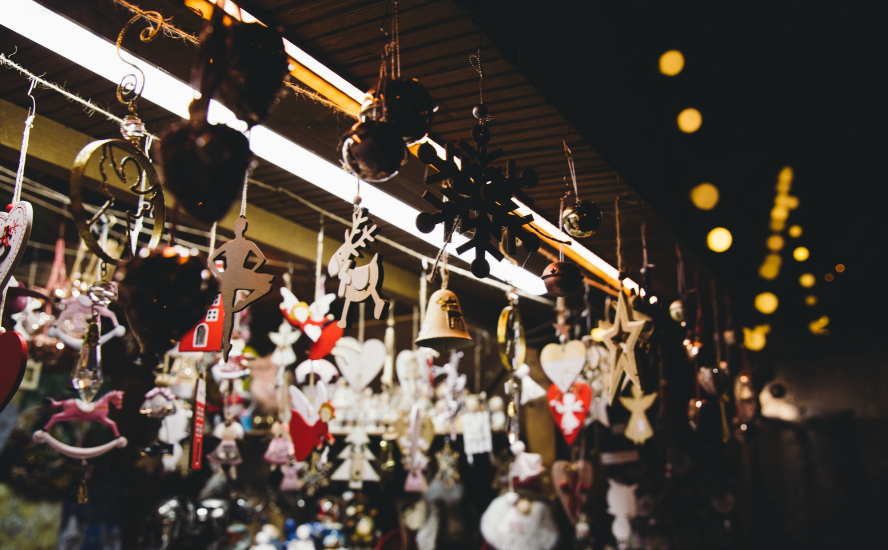
The Best Visa-Free Christmas Markets to Visit
In most of these cities, which Turkish citizens can visit without a visa, festive events begin in late November or during December. Some destinations use local names such as “New Year Village” or “Winter Festival” rather than “Christmas Market”. What they share are beautifully illuminated squares, enticing food stalls, a wide variety of gifts, and live concerts.
Belgrade Christmas Market – Serbia
Belgrade is one of the strongest choices for travellers who want to combine vibrant city life with festive celebrations on a visa-free winter break. In December, the Belgrade Waterfront and Savski Park areas come alive with lights, wooden stalls, food stands, and activities such as ice skating.
For the 2026 season, the Winter Fairytale event in Savski Park runs from early December into the first days of January. After exploring the market, you can add Knez Mihailova Street, Kalemegdan, and Skadarlija to your itinerary, either on the same day or the next. With much of the city centre easy to explore on foot, Belgrade is also well suited to a short two- or three-night stay.
Belgrade particularly appeals to visitors looking for an energetic atmosphere in the evenings. If you would like to combine Christmas markets with sightseeing, restaurants, and nightlife, it could be an excellent fit.
Sarajevo Christmas Market – Bosnia and Herzegovina
One of the things that makes Sarajevo special at the end of the year is the opportunity to experience its festive markets amid the city’s layered history. Just minutes after wandering through the Ottoman-era streets of Baščaršija, you can reach the Ferhadija area, where Austro-Hungarian architecture comes into view.
In December, festive stalls and outdoor events appear in squares across the city centre. In previous years, the area around the cathedral has also been an important setting for winter markets. Open-air concerts in late December and early January bring even more energy to the city’s New Year celebrations.
If you choose Sarajevo, you can combine your market visit with Baščaršija, the Sebilj Fountain, the Latin Bridge, and traditional coffeehouses. Making time for local cuisine and historic sights, rather than visiting solely for the market, will make a short stay much more rewarding.
Skopje Christmas Market – North Macedonia
With its compact centre, Skopje is an easy destination for a short weekend getaway. During the festive season, Macedonia Square and the surrounding pedestrian streets are illuminated. Food and drink stalls, small event spaces, and seasonal decorations bring colour to the square.
From the market area, you can cross the Stone Bridge and reach the Old Bazaar in just a few minutes on foot. This allows you to move from the modern city centre to an Ottoman-era marketplace in a single day, creating a rewarding historic walking route.
Skopje is better suited to travellers seeking an affordable, easy-to-plan winter break than to those expecting the scale of Central Europe’s largest Christmas markets. If you have time, adding Matka Canyon can easily extend your visit to two or three days.
Tbilisi Christmas Market – Georgia
The festive season in Tbilisi feels longer than in many European cities. With Orthodox Christmas celebrated in Georgia on 7 January and the Old New Year tradition extending to 14 January, the celebrations continue well beyond December. In different years, the city’s New Year Village events have spread across First Republic Square, Orbeliani Square, the Rustaveli area, and nearby parks. A large Christmas tree, festive lights, food stalls, children’s activities, and concerts are among the season’s main attractions.
Another highlight of Tbilisi is how easily a market visit can be combined with the city’s rich culinary scene. Khinkali, khachapuri, and Georgian wines are perfect companions to winter evenings, while Old Tbilisi, the sulphur baths, and Rustaveli Avenue provide plenty to fill a few days.
Turkish citizens can also enter Georgia using a new-generation national identity card. However, when planning a trip in 2026, it is important to account for the requirement to have health and accident insurance covering the duration of the stay.
Batumi Christmas Market – Georgia
Although Batumi is often associated with summer, the city takes on a distinctly different atmosphere towards the end of December. The festive area around Europe Square becomes a seasonal gathering place, with lights, food stalls, children’s activities, and concerts.
Under the 2026 programme, Batumi’s New Year events begin on 20 December and continue until 7 January, when Orthodox Christmas is celebrated in Georgia. This gives travellers hoping to visit after New Year’s Eve a wider window in which to enjoy the festivities. Batumi’s smaller scale compared with Tbilisi also makes it easy to plan a two-night winter escape.
Batumi can be a particularly practical option if you are looking for a quick trip abroad. After enjoying the events in the square, you can stroll along Batumi Boulevard, explore the old town, and round off the day with Georgian cuisine.
Tirana Christmas Market – Albania
Tirana’s festive atmosphere centres largely on Skanderbeg Square and its surroundings. Towards the end of the year, lights, a large Christmas tree, concerts, and markets featuring local producers transform the city into a more colourful version of its everyday self. One of the things that sets Tirana apart is how naturally the festive area blends into daily city life.
The museums and squares in the centre also provide plenty to explore during the day. After visiting the market, you can reach a variety of restaurants and cafés within minutes and continue your evening around Blloku. If you would prefer to avoid particularly harsh winter weather and enjoy food, dining, and city life alongside the Christmas market experience, Tirana is worth considering.
Pristina Christmas Market – Kosovo
Pristina’s year-end celebrations create a compact festive area across its main squares. As part of Prishtina Festive, stalls in Zahir Pajaziti Square and George Bush Square bring food, drinks, local products, and outdoor activities to the city centre. Another advantage is how easy it is to walk between the city’s main sights.
If you are looking for a quieter, shorter Balkan getaway where keeping to a budget can be relatively straightforward, Pristina could be a good choice. Combine your market visit with the Newborn Monument, Mother Teresa Square, and the city’s thriving café culture. If you plan to stay in a private home or short-term rental rather than a hotel, check the latest address-registration rules introduced in 2026 before travelling.
Which City Should You Choose for a Visa-Free Christmas Market Trip?
There is no single answer to the question of which Christmas market is best. In some cities, the market itself is the main reason to visit; in others, a few hours at the stalls become part of a wider itinerary focused on culture and food. The length of your trip, your budget, your tolerance for cold weather, and how you prefer to spend your evenings can all influence your choice.
For a two-night weekend, a city with a compact centre may be more convenient. With four days, you can also include museums, historic neighbourhoods, and nearby attractions. Deciding whether you would rather enjoy festive concerts, peaceful walks through old streets, or local culinary experiences can help narrow down your options.
● Choose Belgrade for a lively, full-scale festive atmosphere.
● Consider Sarajevo for history, local cuisine, and a city full of character.
● Skopje or Pristina are good options for a compact two-day Balkan itinerary.
● Tbilisi is a strong choice for extended New Year celebrations and excellent food.
● Choose Batumi for a smaller-scale, seaside winter experience with a different feel.
● Tirana is a good starting point for milder weather, urban life, and food-focused travel.
You do not have to turn a Christmas market visit into an extensive European tour. Sometimes, a two-night trip from Friday evening to Sunday is enough to enjoy a change of scenery, discover new flavours, and experience one of winter’s most charming periods somewhere different.
What Should You Consider When Planning a Visa-Free Christmas Market Holiday?
Travelling without a visa does not mean there is nothing to prepare before an international trip. As the end of the year approaches, flights and centrally located hotels can fill up quickly. Choosing your dates early and planning the market alongside other activities in the city can help you make the most of your stay.
Keep the following details in mind when planning your trip:
● Check the latest opening and closing dates of the Christmas market or New Year Village.
● Prioritise accommodation within walking distance of the main square.
● Check passport-validity requirements, travel insurance, and any booking documents needed for entry.
● Pack suitable winter footwear and clothing you can wear in layers.
● Explore the city during the day and save the market for the evening.
● Book restaurants and events for New Year’s Eve well in advance.
● Remember that in countries such as Georgia, which follow different Christmas calendars, celebrations may continue into January.
A refreshing short winter break does not necessarily have to take you abroad. If you would like to step away from your daily routine for a few days but prefer a more relaxed itinerary, explore Richmond Hotels’ destinations in Istanbul, Sapanca, Pamukkale, and Ephesus. Whether you are looking for a weekend immersed in city life, a restorative wellness escape by the lake, a thermal winter retreat, or a mild-weather break on the Aegean coast, you can enjoy the festive season at your own pace.


Dates vary by city and event. Many Christmas markets in the Balkans open in late November or early December and continue until New Year or the first days of January. In Georgia, festive events can run longer, extending into the first week of January because of Orthodox Christmas.
The second and third weeks of December usually offer a good balance. Most markets are already open, but crowds may not yet have reached their peak as New Year’s Eve approaches. If you prefer a busier atmosphere with concerts and lively celebrations, the final week of December may be a better choice.
Costs vary considerably depending on the city, mode of transport, travel dates, and standard of accommodation. For a short two- or three-night trip to the Balkans or Georgia, it is more realistic to budget separately for travel, centrally located accommodation, local transport, meals, and spending at the market. With transport and hotel prices often rising around New Year, booking early can make a noticeable difference to the overall cost.
