


Pamukkale’s iconic white travertine terraces remain a breathtaking sight throughout the year, but the season you choose can significantly shape your experience. While spring’s mild weather makes it ideal for exploring the vast archaeological grounds of Hierapolis, summer calls for visits during the cooler hours of the day. Autumn offers a more peaceful and balanced travel experience, while winter brings the region’s thermal heritage into the spotlight. Therefore, there is no single answer to the question of when to visit Pamukkale.
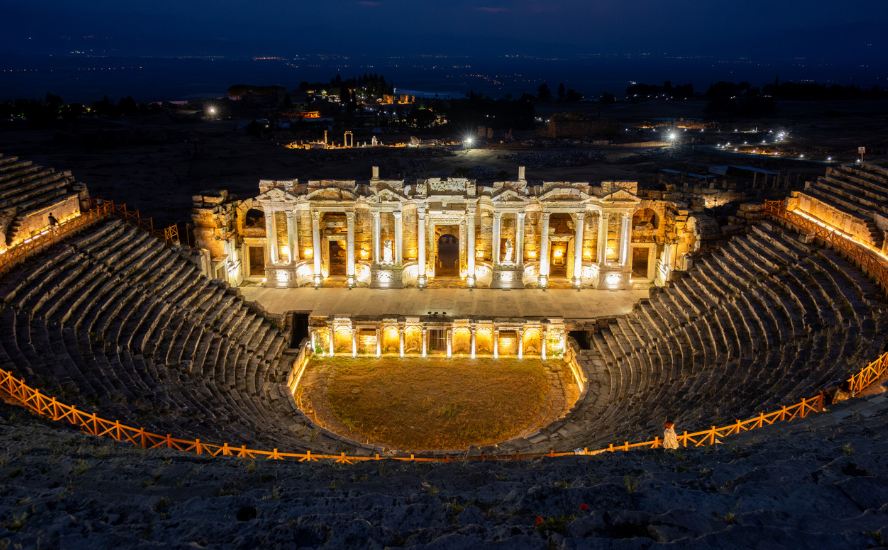
When planning your trip, it is worth considering how thoroughly you would like to explore the ancient city of Hierapolis, how much time you want to spend outdoors, and whether a thermal wellness experience is part of your itinerary. Choosing the right season can make a significant difference to both the pace of your sightseeing and the overall character of your stay in Pamukkale.
What Is the Best Time to Visit Pamukkale?
Spring and autumn are generally considered the most comfortable seasons to visit Pamukkale. April, May, September, and October often offer pleasant temperatures for extended walks and outdoor exploration. Since the ancient theater, necropolis, historic streets of Hierapolis, and travertine terraces cover a vast area, exploring the site is considerably more enjoyable when temperatures are neither too hot nor too cold.
However, the ideal time to visit ultimately depends on your travel preferences. Spring and autumn are excellent choices for a cultural getaway with relatively manageable crowds, while winter is particularly appealing for travelers seeking relaxation in thermal waters. Summer, on the other hand, offers longer daylight hours, allowing visitors to make the most of their time. During the warmer months, planning outdoor activities around the cooler parts of the day becomes especially important.
Visiting Pamukkale Throughout the Seasons
The changing seasons in Pamukkale influence much more than the weather. Visitor numbers, walking conditions, natural lighting for photography, and the enjoyment of thermal facilities all vary throughout the year.
What Is It Like to Visit Pamukkale in Spring?
From late March onward, temperatures gradually begin to rise, making Pamukkale’s outdoor attractions more comfortable to explore. April and May are among the most pleasant months for taking long walks through the expansive archaeological landscape of Hierapolis and spending time around the travertine terraces without feeling rushed. The awakening of nature and the increasingly lush surroundings also make spring particularly attractive for photography.
However, spring weather can be unpredictable. Mornings and evenings tend to be cooler than midday, and occasional rainfall is possible. Bringing a light jacket and a compact raincoat can help ensure a more comfortable sightseeing experience throughout the day.
What Is It Like to Visit Pamukkale in Summer?
June, July, and August offer long, sun-filled days, making summer an excellent season for travelers who enjoy starting their adventures early and making the most of the daylight. However, high temperatures can make exploring the exposed archaeological sites challenging.
The best approach to visiting Pamukkale in summer is to begin sightseeing early in the morning. Exploring Hierapolis and the travertine terraces before the midday heat, followed by a relaxing break during the hottest hours, can make the experience considerably more comfortable. Returning to the area in the late afternoon, when temperatures begin to ease and the sunset light enhances the landscape, is another appealing option.
Essential items for a summer visit include a hat, sunglasses, sunscreen, and plenty of drinking water. Visitors should also remember that walking barefoot is required in designated sections of the travertine terraces, making it important to consider how hot the ground may become during the day.
What Is It Like to Visit Pamukkale in Autumn?
The period from mid-September to late October is particularly pleasant for cultural sightseeing in Pamukkale. As the intense summer heat gradually fades, temperatures often remain mild enough to enjoy extended periods outdoors. However, the likelihood of rainfall increases toward late October and early November, so checking the weather forecast before traveling is recommended.
One of the greatest advantages of visiting in autumn is the flexibility it offers when planning your itinerary. You can explore Hierapolis without having to start your day exceptionally early and then continue to nearby attractions such as Laodicea or Karahayıt. As evening approaches, a thermal pool or spa experience provides a relaxing way to complete the day.
What Is It Like to Visit Pamukkale in Winter?
Pamukkale remains a fascinating destination during winter, revealing an entirely different side of its natural beauty. With fewer visitors, the travertine terraces and the ancient city of Hierapolis can be explored in a quieter, more peaceful atmosphere. On clear winter days, the white terraces illuminated by the soft winter sunlight create a striking landscape, while the occasional morning mist adds an almost mystical quality to the scenery.
Nevertheless, cold temperatures, wind, and rainfall can make outdoor sightseeing more challenging. Planning your itinerary according to the weather and combining visits to archaeological sites with thermal relaxation is therefore a sensible approach. Thermal hotels in and around Karahayıt become especially appealing during the winter months, offering a comforting retreat after a day of exploration.
What Should You Consider When Planning a Trip to Pamukkale?
In addition to choosing the right season, organizing your daily itinerary carefully can make your Pamukkale experience much more enjoyable. Although the travertine terraces and Hierapolis are located within the same archaeological area, exploring the entire site in detail involves a considerable amount of walking. Remembering that Pamukkale is primarily an outdoor destination will help you create a realistic and comfortable travel plan.
Here are some practical tips to consider before your visit:
Choose comfortable footwear suitable for extended walks.
During summer, schedule sightseeing for the early morning or late afternoon.
In spring and autumn, wear layers to accommodate changing weather conditions.
Follow the conservation rules in designated walking areas of the travertine terraces.
Bring seasonal essentials such as drinking water, a hat, sunscreen, or a raincoat.
Allow enough time to explore Hierapolis, the Antique Pool, and other nearby attractions.
If you plan to visit Laodicea, Karahayıt, or central Denizli, avoid trying to fit everything into a single day.
How Many Days Should You Spend in Pamukkale?
One full day may be sufficient to see the travertine terraces and the main highlights of the ancient city of Hierapolis. However, such an itinerary only offers a glimpse of everything the region has to offer.
For a more comprehensive Pamukkale experience, spending two days in the area is recommended. You can dedicate the first day to the travertine terraces and Hierapolis, then explore Laodicea and Karahayıt on the second day while allowing time for thermal relaxation.
With a three-day itinerary, you can enjoy a slower pace, explore the surrounding attractions more comfortably, and devote additional time to spa treatments and the facilities of your hotel.
Where to Stay During Your Pamukkale Holiday
Choosing where to stay in Pamukkale largely depends on the type of holiday you have in mind. Accommodation in Pamukkale town is ideal for visitors who want to remain close to the travertine terraces, while central Denizli offers convenient access to urban amenities. For travelers who wish to make thermal wellness an essential part of their holiday, Karahayıt stands out as a particularly attractive destination.
Located in Karahayıt, Richmond Pamukkale Thermal is an ideal choice for those looking to combine historical and natural discoveries with the restorative pleasures of thermal relaxation. After a rewarding day exploring Pamukkale and its surroundings, guests can unwind in the hotel's indoor or outdoor thermal pools or enjoy the soothing atmosphere of its spa facilities, including a traditional Turkish bath, sauna, and steam room. Surrounded by pine trees, the hotel's inviting outdoor spaces enhance the sense of tranquility, while its gourmet restaurant offers a delightful culinary experience.
This style of accommodation is especially appealing during autumn and winter. You can spend the morning discovering Pamukkale's remarkable historical landmarks, dedicate the afternoon to thermal wellness, and end the evening enjoying a peaceful atmosphere and scenic surroundings. It is a wonderful way to experience the region's natural, cultural, and wellness offerings within a single getaway.


Yes, Pamukkale can be visited throughout the winter months. However, outdoor sightseeing should be planned around the weather, as temperatures may be cold and rainfall is possible. Fewer visitors and the added appeal of thermal facilities make winter an attractive season for those seeking a quieter experience.
Yes, Pamukkale is open to visitors during summer, although midday temperatures can become particularly high in July and August. Starting your sightseeing early in the morning or visiting in the late afternoon can make exploring the outdoor attractions considerably more comfortable.
One day is generally enough to explore the travertine terraces and the main attractions of Hierapolis. However, a two-day itinerary is more suitable if you also want to visit Laodicea and Karahayıt and enjoy the region's thermal facilities. Travelers looking for a more leisurely experience may prefer to extend their stay to three days.
May and October are among the most pleasant months to visit Pamukkale, offering relatively comfortable temperatures for outdoor exploration. April, September, and the first half of October are also excellent choices for discovering the region on foot. Ultimately, the best month depends on whether you prefer warm-weather sightseeing or a relaxing thermal holiday.
Pamukkale town, Karahayıt, and central Denizli offer a variety of accommodation options to suit different travel preferences. If staying close to the travertine terraces is your priority, Pamukkale town is a convenient choice. For a thermal hotel experience, Karahayıt is particularly appealing.
Located just 3 kilometers from Pamukkale, Richmond Pamukkale Thermal is one of the region's most attractive accommodation options for travelers wishing to combine convenient access to the ancient city with Karahayıt's renowned thermal waters and relaxing spa facilities.
